


In everyday conversation fitness and bodybuilding are often mixed up, but they actually mean very different things. Merriam-Webster defines bodybuilding as “the developing of the body through exercise and diet; specifically… the developing of the physique for competitive exhibition”. In simple terms, bodybuilding is about sculpting large muscles and a defined physique, often for contests.
By contrast, fitness is more about health and active living. For example, one gym article notes that the goal of fitness training is to “feel good, improve quality of life, and maintain a healthy body”. The main idea is that fitness should boost your overall wellness, whereas bodybuilding is focused on maximizing muscle size and definition.
What Is Fitness?
Fitness training aims for moderate, balanced exercise that you can keep up long-term. It might include jogging, cycling, dancing, hiking, weightlifting or yoga – basically any activity that gets you moving and strengthens your body without extreme strain.
Health guidelines reflect this: for example, the UK National Health Service recommends adults do at least 150 minutes of moderate-intensity exercise per week (or 75 minutes of vigorous exercise) to maintain good health. This might be a half-hour of brisk walking most days, or a combination of walking and light gym workouts. The key is consistency, not going to the limit.
Regular physical activity has many proven benefits. It fights stress and boosts mood by triggering brain chemicals that make you “feel happier, more relaxed and less anxious”. When your heart and lungs get stronger, you have more energy – one source explains that a fitter heart sends oxygen and nutrients more efficiently, so “you have more energy to tackle daily chores”.

Better sleep is another bonus: exercise helps you fall asleep faster and deepen your sleep. In fact, many people find that exercise can be fun and social – giving you a chance to unwind outdoors or do activities you enjoy.
As one health site puts it, exercise can help you “enjoy the outdoors or simply do activities that make you happy”.
Fitness plans also include strength training, but in a flexible way. Mayo Clinic points out that doing weight exercises twice a week (one set of 12–15 reps for each major muscle) is enough to keep muscles and bones strong. This means you don’t have to lift the heaviest weights to get health benefits – even moderate weights or body-weight exercises can work if done regularly.
In short, fitness is about improving health, stamina and well-being through reasonable, varied exercise that fits your life.
What Is Bodybuilding?
Bodybuilding is a different beast. It’s often a competitive sport where the goal is to maximize muscle size, symmetry, and definition. Achieving that goal typically requires very intense, specialized training and diet.
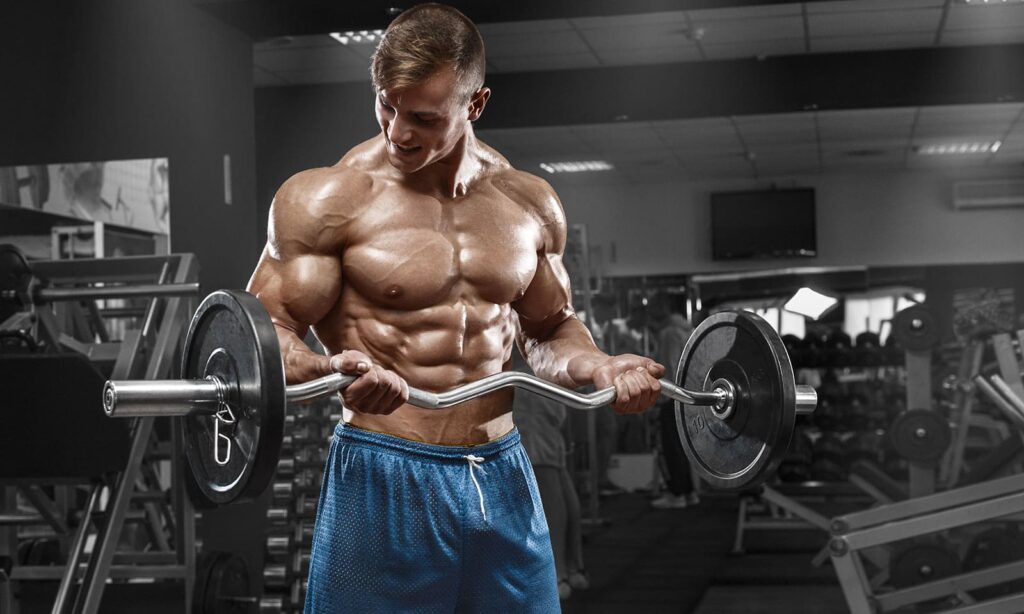
Bodybuilders spend hours in the gym lifting heavy weights, usually targeting one muscle group at a time (for example, doing many sets of biceps curls or bench presses). Rest between sets is short, and the weight is often close to your maximum.
Nutrition is similarly strict: bodybuilders count every calorie and gram of protein, and cycle between “bulking” phases (eating extra to build muscle) and “cutting” phases (restricting food to lose fat).
As one health magazine explains, bodybuilding “concentrates on gaining muscle mass and attaining a particular physique,” but it also warns that “extreme methods used to achieve competitive physiques might occasionally harm long-term health”. In practice, competitive bodybuilders often follow hard training and strict diets as a rule. Some even use dehydration tricks or performance-enhancing drugs to get their bodies stage-ready.
A recent report noted that professional bodybuilders train and diet with such intensity that “the pursuit of extreme body transformation at any cost can carry significant health risks, particularly for the heart”.
In other words, at the top levels bodybuilding is an all-consuming lifestyle where every decision (from meals to sleep schedule) is geared toward getting the biggest, leanest muscles possible.
Key Differences: Goals, Training, Lifestyle and Nutrition
Here are the core differences between fitness and bodybuilding:
- Goals: Fitness aims for overall health, functional strength and quality of life. It’s about feeling good and staying healthy. Bodybuilding aims for maximum muscle mass, definition and a sculpted look, often for competition.
- Training Style: Fitness workouts involve a mix of cardio, moderate strength, and flexibility exercises. They are varied and sustainable. Bodybuilding workouts center on heavy weightlifting and muscle-isolation exercises, with many sets and short rest to force muscle growth (hypertrophy).
- Lifestyle and Mindset: Fitness routines are designed to be flexible, long-term and enjoyable. You can mix in activity a few times a week without overhauling your life. Bodybuilding, by contrast, usually means strict daily discipline and routines. Bodybuilders often build nearly their entire lifestyle around training – tracking every meal, planning workouts far in advance, and resting on a schedule.
- Nutrition: Fitness encourages a balanced diet that supports activity and overall health. There is room for variety and treats now and then. Bodybuilding requires precise calorie and macronutrient control. Dieting often alternates between eating very clean (to cut fat) and eating a lot (to bulk muscle), with little flexibility on off-days.
Health Impact: Benefits vs Risks
In general, fitness-based exercise is strongly associated with health benefits. Studies show that meeting the recommended activity levels drastically cuts the risk of chronic diseases and early death. For example, people who do at least the U.S. guideline of 150 minutes a week of moderate exercise live significantly longer and have lower mortality risk than inactive people.
Regular exercise can help prevent heart disease, diabetes, obesity and even cancer, and it greatly improves mood and energy.
Bodybuilding in moderation also builds strength, increases bone density and boosts confidence. However, the extreme side of bodybuilding can carry risks. The European Heart Journal reported that sudden cardiac deaths were unusually common among professional male bodybuilders – well above normal rates – largely due to the stress of very low body fat, dehydration and drug use.
Researchers warn that while strength training itself is beneficial, overdoing it at any cost can be dangerous. As one expert put it: it’s fine to strive for excellence, but “the pursuit of extreme body transformation at any cost can carry significant health risks, particularly for the heart”.
In short, moderate fitness exercise yields big health rewards (improved heart health, mood, longevity), whereas pushing the body to extreme limits (as in competitive bodybuilding) can lead to serious problems if not managed carefully. One review even emphasizes that appearance alone is not proof of health – the most ripped physique may hide health issues if it was achieved by extreme methods.
Which Path Is Right for You?
Ultimately, the best approach depends on your personal goals and lifestyle. If your aim is to feel strong, energetic and healthy in everyday life, then focusing on fitness (a balanced mix of activity and sensible diet) is usually the wiser choice. You’ll enjoy a fun, varied routine and all the long-term health benefits without pushing yourself to dangerous extremes.
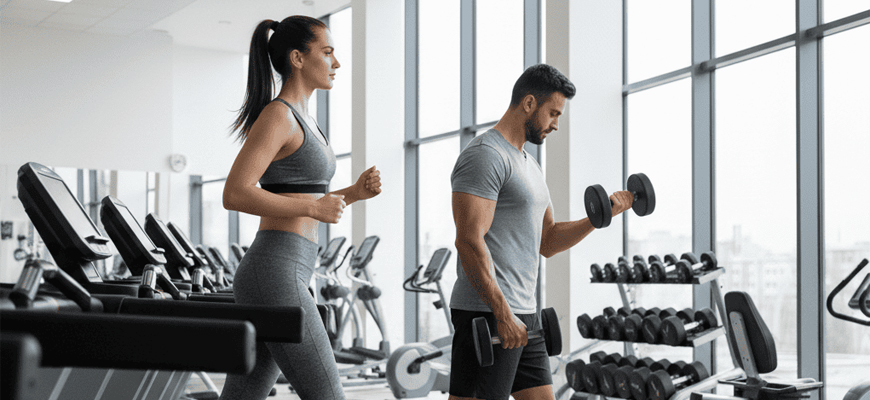
If you are passionate about building the biggest muscles possible and maybe even competing, then bodybuilding might appeal to you – but be ready for a very disciplined, all-consuming lifestyle. You’ll need to stick to strict workout and diet plans, and always prioritize your health and recovery.
Many people actually take a middle path: they train with weights seriously to build strength and improve their shape, but without the rigid contest-prep diet or harmful practices. This way you still gain muscle and fitness, while keeping exercise as a positive part of life.
The bottom line: bodybuilding is a sport that shapes an entire lifestyle around maximal muscle results, often at intense cost; fitness is a way of life where exercise is a tool to improve health and quality of life. Choose the path that matches your goals and values, but remember to keep health first.
As experts note, regular strength training is extremely beneficial when done smartly, so whichever route you take, make sure it helps you stay healthy and happy.